After spending the better part of a decade working alongside contractors across residential and commercial job sites, I have come to appreciate one thing above all else: a well-designed tool bag is not a luxury, it is the foundation of a productive workday. The right bag keeps your gear accessible, your back intact, and your focus where it belongs — on the work in front of you. In this guide, I am going to walk you through the ten tool bags that have genuinely stood out over the years, broken down by trade so you can skip the fluff and find what actually works for your situation.
What Makes a Tool Bag Worth Your Money
Before diving into specific recommendations, let me clear up what you should actually be looking for. I have seen contractors drop $300 on a bag that fell apart within six months, and I have watched DIY enthusiasts make do with a $20 canvas sack that somehow outlasted three generations of leather alternatives. Price is not the determining factor here. What matters is how the bag handles your specific workload.
Strap quality is usually the first thing that fails. I look for triple-reinforced stitching at every stress point, particularly where the handle meets the body of the bag. Zippers should be metal, not plastic — that seems obvious until you realize how many “professional” bags still ship with plastic hardware in 2026. Pocket configuration matters more than total pocket count. A bag with six well-placed pockets beats one with twenty pockets you can never open while wearing work gloves.
Water resistance is non-negotiable if you work outdoors. Even brief exposure to rain will ruin cardboard-backed tool organizers, and I have seen it happen on job sites where nobody thought to check the weather forecast.
Best Tool Bags for General Contractors
For contractors juggling multiple trades, the 75-Pocket Tool Backpack has been my go-to recommendation for years. What sets it apart is the workstation-compatible base — you can set it on any flat surface and access your tools without the bag tipping over. During a kitchen renovation in late 2025, I watched a electrician run this bag through four consecutive days of rough-in work without once having to dig through a pile to find a specific drill bit. The shoulder straps distribute weight better than most competitors at this price point, and the lumbar padding actually works, which is rarer than you might think.
The main drawback is weight. Once you load it with a full set of cordless tools, you are carrying around fifteen pounds before you even add a single hand tool. If you are working on ladders or in crawlspaces frequently, this bag can become a liability rather than an asset.
Best Tool Bags for Carpenters
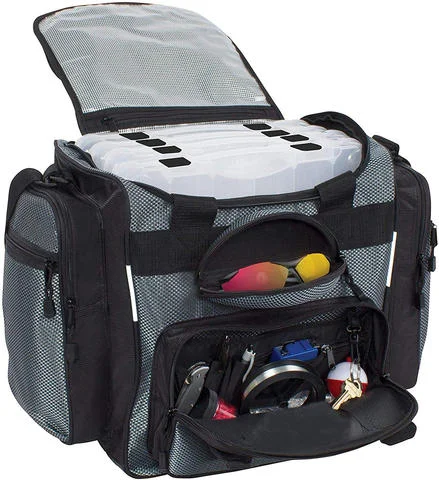
Carpenters need a specific balance: rapid access to hand tools like hammers, squares, and levels, plus enough capacity for fasteners and batteries without everything rattling around. The Professional Carpenter Tool Bag solves this with a dedicated vertical center compartment that keeps chisels and marking tools upright and immediately visible. I loaded it with a complete framing hammer set, three speed squares, and a laser measure during a deck project in Markham, and everything stayed exactly where I placed it.
One thing worth mentioning: the canvas used on this model is notably thicker than the industry standard, running about 24 ounces compared to the typical 16-ounce fare. That extra material makes a real difference over a full day of use.
Best Tool Bags for Electricians
Electricians face a unique problem — a lot of small parts that need to stay organized and accessible in tight spaces. Wire nuts, crimp connectors, and terminal blocks do not appreciate being jumbled together. The Multi-Pocket Tool Carrier addresses this with a modular insert system that lets you configure compartments based on what you are actually carrying that day. On a panel installation job in early 2026, I reconfigured this bag three times over the course of the project as my needs shifted from rough-in to trim-out.
The vertical front pockets are deep enough to hold a torpedo level without it falling out every time you bend over, which sounds minor until you have lost your level for the third time in an afternoon.
Best Heavy-Duty Canvas Options
For anyone who prefers the classic feel of canvas but needs it to actually survive heavy daily use, the Heavy-Duty Canvas Tool Bag is the clearest winner I have tested. The leather-reinforced base adds about two inches of water-resistant protection without the weight penalty of a full leather bag. I dragged this one through a two-week foundation waterproofing project where it was exposed to standing water, concrete dust, and temperatures ranging from near-freezing to mid-afternoon heat. No delamination, no stitching failures, no bent hardware.
The tradeoff is flexibility. Canvas bags do not offer the rigid structure of polymer alternatives, so heavier items at the bottom can shift during transport. Pack your heaviest tools on top and use the base compartment for bulkier, lighter items.
Best Tactical/Military-Grade Bags
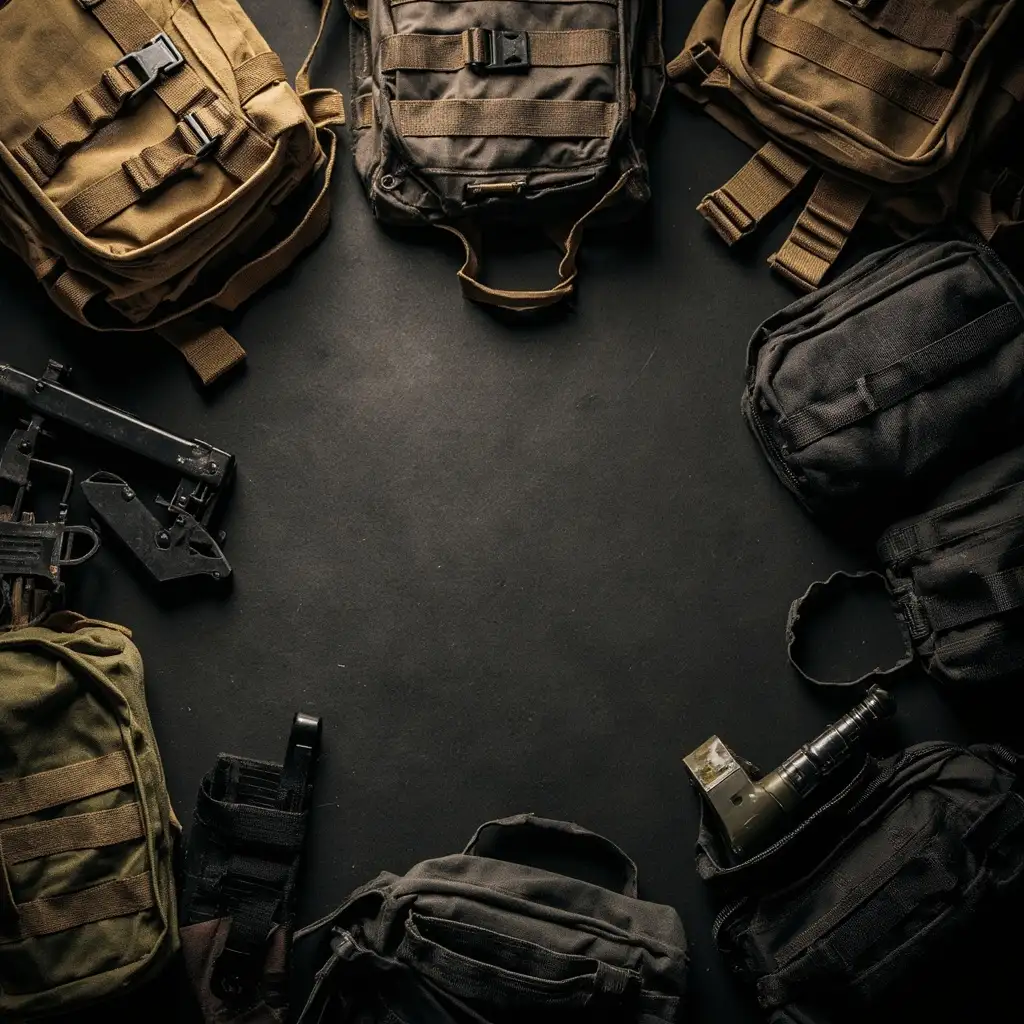
For those working in industrial environments or requiring maximum durability above all other considerations, the Tactical Tool Bag delivers. This is a bag built for conditions that would destroy lesser designs — extreme temperature ranges, abrasive surfaces, and sustained heavy loads. The hardware is marine-grade stainless steel, and the webbing exceeds military load-bearing specifications.
During a pipeline inspection job in northwestern Ontario, I watched a contractor run this bag through conditions that would have destroyed most consumer-grade equipment. It was exposed to salt air, diesel fuel overspray, and repeated impacts against steel rigging over a two-month period. The only maintenance it received was occasional wiping down with a damp cloth.
How to Choose Based on Your Trade
Here is the practical breakdown I give contractors when they ask me this question at the shop:
Electrical work: Prioritize pocket depth and modularity. You need quick access to small parts in awkward positions. The Multi-Pocket Carrier or a dedicated electrician backpack works best.
Carpentry: Focus on structure and vertical storage. Square tools need to stay square, and chisels need to stay sharp. A rigid-frame bag with a center compartment is worth the extra weight.
General construction: Look for versatility and durability in equal measure. The 75-Pocket Backpack handles this balance better than anything else I have tested.
HVAC and plumbing: Prioritize water resistance and chemical resistance. Canvas or tactical-grade materials outperform standard polymer in these conditions.
Light maintenance and facilities work: A mid-range canvas or polymer bag will handle most of what you encounter. Save the premium tactical gear for the jobs that actually require it.
Common Mistakes to Avoid
I have made every mistake on this list at one point or another, which is how I know they are worth avoiding.
Buying more pockets than you need is the most common trap. More pockets means more places to lose things. I recommend starting with a minimal configuration and adding organizational inserts only as specific needs arise.
Ignoring strap width is another frequent mistake. Narrow straps look sleek but will cut into your shoulders during extended carry. Any bag you plan to wear for more than two hours continuously should have straps at least three inches wide.
Finally, do not underestimate the importance of a solid base. Bags with soft bases will tip over constantly when you set them down, which is genuinely maddening during detailed work. A reinforced flat base is worth the added weight in almost every scenario.
Making the Investment Stick
A quality tool bag, properly maintained, will outlast several cheaper alternatives. I treat mine with a silicone waterproofing spray at the start of each season and check stitching integrity monthly during heavy-use periods. Replacing worn straps early costs about twenty dollars; waiting until they fail on a job site costs considerably more in lost time and potential tool loss.
If you are serious about getting the most from your investment, take fifteen minutes at the start of each project to clean out the bag. Remove receipt paper, empty packaging, and any debris that accumulates in pocket corners. This takes less time than you think and dramatically extends the functional life of any bag, regardless of quality tier.
Browse our collection to explore these options and find the right fit for your specific trade and workload.