How Central Valley Trade Institute Prepared 500+ Students Per Year with Industry-Standard Tool Organization Skills Using a Standardized Tool Bag Program
When Maria Santos joined Central Valley Trade Institute as Director of Technical Programs three years ago, one of her first observations was that the school’s tool equipment program hadn’t changed meaningfully in over a decade. Students in the carpentry and electrical programs were purchasing their own tool bags — or more commonly, showing up with whatever bag or box they had available. The result was chaotic on the job site portion of training, where instructors spent disproportionate time managing equipment rather than teaching technique. More concerning: students were graduating with strong technical skills but no exposure to the kind of standardized tool organization practices they would encounter at their first professional job.
The Tool Chaos Problem in Trade Education
Central Valley Trade Institute trains approximately 500 to 550 students per year across three core programs: carpentry, electrical, and HVAC. The school’s approach to tool equipment had always been deliberately hands-off — the philosophy was that students should acquire their own tools as they would in the real trade, building their personal kit over time. In practice, this meant enormous variation in what students showed up with, and significant class time lost to equipment management issues.
“You’d have 20 students on a job site and 20 different ways of organizing tools,” said Santos. “Some students would have decent bags. Others would show up with a plastic milk crate. One student in the electrical program brought his tools in a paper bag. We can’t teach proper tool organization if students don’t have proper tools to organize.”
The consequences extended beyond logistics. Students were arriving to their first professional jobs with no experience in standardized tool organization, creating a gap between school training and industry expectations that supervisors frequently commented on. The school’s advisory board — which includes contractors, union representatives, and industry employers — had flagged this as a persistent concern in program reviews.
Designing an Educational Tool Program
Santos proposed a standardized tool bag program as a core component of the school’s equipment policy. The proposal went through the school’s budget approval process, which required demonstrating cost-effectiveness, durability for student use, and a clear educational benefit. She worked with toolbagcustom.com to develop a program specifically designed for trade school environments.
The resulting program offered three key features that made it viable within the school’s budget constraints. First, a school-specific pricing structure that brought per-unit cost to approximately 40% below retail for each bag configuration. Second, a three-year replacement warranty on all bags — critical for an environment where equipment takes significantly more wear than professional use. Third, a modular specification that let the school define exactly which tools each bag would be designed to carry, aligned with the tool lists already established for each program’s curriculum.
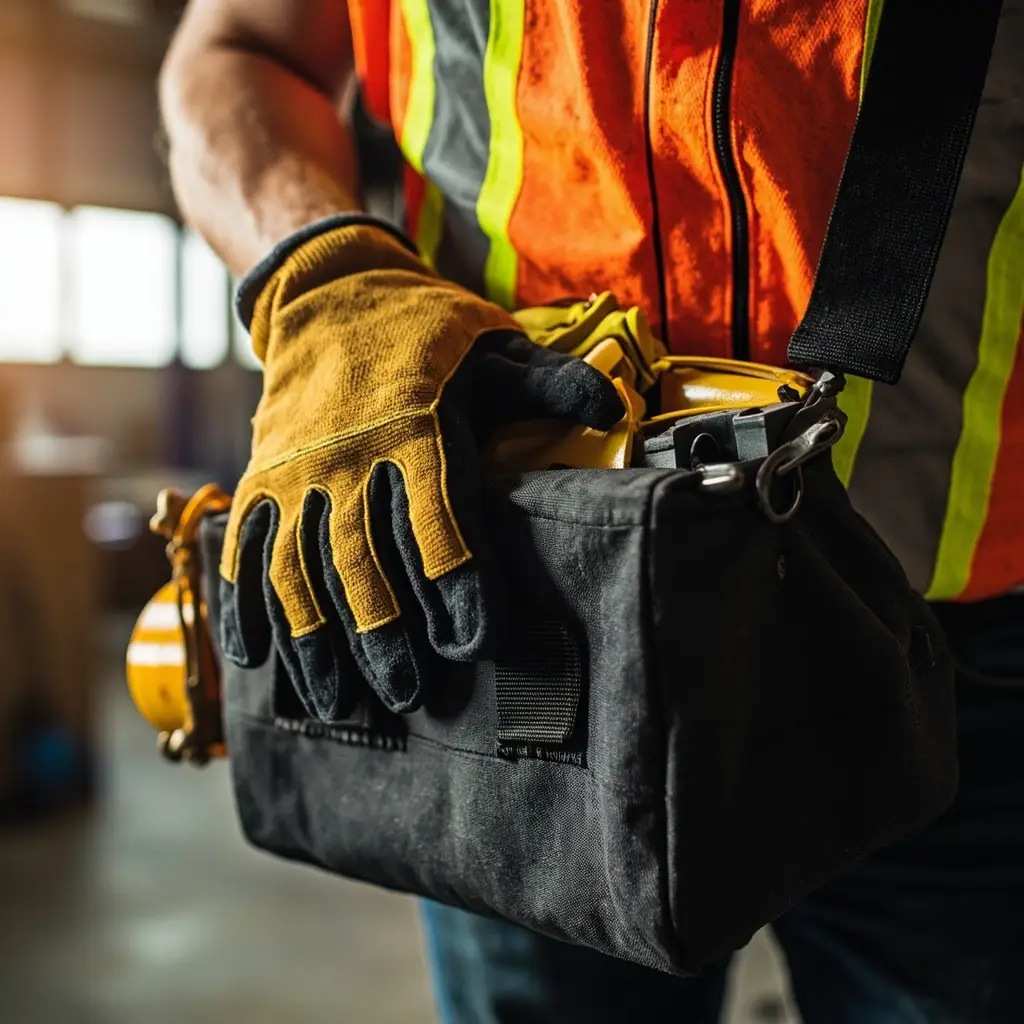
The school ordered three bag configurations aligned with its three core programs: a Carpenter’s bag for the carpentry students, an Electrician’s bag for the electrical program, and a Technician’s bag for HVAC. Each configuration was designed around the standardized tool list already in use at the school, with the bag’s internal pocket layout matching the order in which tools were taught in the curriculum.
Implementation: A Controlled Rollout
The rollout was structured in two phases to allow the school’s instructors to adapt their lesson plans around the new equipment system. In Phase 1, all new incoming students in the fall cohort received bags at orientation — 185 students across the three programs. Instructors spent the first week of the job site curriculum teaching the bag organization system alongside tool skills: where each tool goes, why that placement makes sense for efficient work, and how to maintain the system daily.
Phase 2 extended the program to returning students in their second year of training, bringing total deployment to approximately 340 students across both cohorts in the first full year of the program.
“The response from students was immediate and positive,” Santos noted. “Students who had been hauling tools in random bags immediately understood the value. When you’re training to be a professional, you should be training with professional equipment. The bag isn’t just a convenience — it’s part of the professional identity we’re trying to build.”
Instructor Adoption and Curriculum Integration
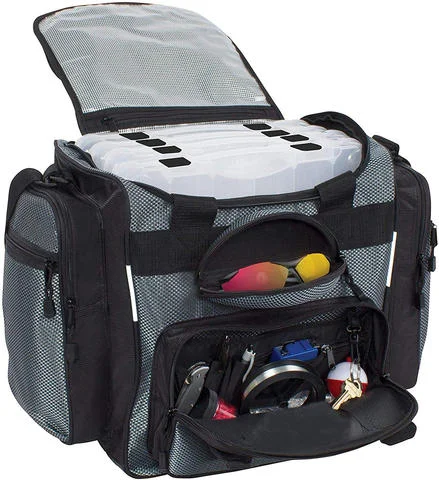
A key success factor was involving instructors in the bag specification process. Santos convened working sessions with each program’s lead instructor to review the proposed bag configurations and suggest modifications. The carpentry instructor requested an additional external pocket for speed squares and torpedo levels — tools frequently accessed during layout work. The electrical instructor asked for a dedicated strap system for measuring tapes. These modifications were incorporated into the final specifications at no additional cost.
Instructors also integrated the bag system into their assessment criteria. Beginning in the second semester of program implementation, students were evaluated on tool organization as part of their job site performance grade — the same way a professional contractor would evaluate an apprentice’s equipment management habits.
Results: Cost Savings, Organization, and Graduate Readiness
At the two-year mark of the program, Central Valley Trade Institute has documented the following outcomes:
- 500+ students trained per year with standardized tool organization systems as part of their core curriculum, compared to fewer than 15% of students in prior years who arrived with anything resembling a proper tool bag.
- Tool-related class time reduced by an estimated 30% — instructors reported spending significantly less time resolving equipment issues and more time on actual technical instruction.
- Student tool costs actually decreased — the school program pricing averaged 40% below what students had previously paid for lower-quality individual bag purchases, saving each student an estimated $65 to $85 on their initial tool kit investment.
- Graduate employer feedback: Of the 87 graduates from the first full cohort who entered professional employment, 12 received direct employer comments in their first 90 days noting that their tool organization habits were noticeably stronger than other new hires.
- Standardized assignments implemented: Each program now has documented bag setup requirements as part of the program’s published equipment list, reducing the ambiguity that previously led to students purchasing inappropriate or inadequate equipment.
- Reduced equipment replacement costs for the school: The three-year warranty on bags has covered 23 replacement bags in the first two years at no additional cost, versus the prior system where the school absorbed replacement costs ad hoc.
Expanding the Program
Based on the program’s success, Central Valley Trade Institute has committed to extending the tool bag program to its HVAC program beginning in the next academic year. The school is also in discussions with two other regional trade schools about adopting a similar program, which would create a regional network of students trained on consistent tool organization standards.
Santos has also begun exploring whether the school can offer students the option to purchase their bags from the program at graduation — allowing them to take the same bag they’ve trained with into their professional career, rather than starting over with a new system.
“The goal has always been to bridge the gap between school training and what students actually encounter in the trade,” Santos said. “When a graduate shows up on their first day with a professional tool bag and knows exactly how to organize it, they start ahead. That’s what this program delivers.”
Central Valley Trade Institute is a regional vocational training institution serving the California Central Valley, offering certificate programs in carpentry, electrical, and HVAC. The institute graduates approximately 500 students per year into professional trade careers.