Electrical work places demands on tool organization that other trades do not face. You are managing sensitive test equipment that must arrive calibrated and dry, navigating confined spaces where bag placement is limited, and often working at height where every ounce of weight affects your mobility. The right tool bag for electrical work is not simply a general-purpose contractor bag with an electrician label applied — it is a specialized carrying system designed around the actual workflow of wire installation, panel work, and troubleshooting.
What Sets Electrical Work Apart from Other Trades
Unlike framing carpenters or plumbers who carry mostly metal and wooden tools that tolerate rough handling, electricians carry a disproportionate amount of sensitive equipment: multimeters, circuit testers, wire tracer devices, and precision hand tools with rubberized insulation that degrades faster than bare metal when exposed to certain conditions. The bag protecting these tools must address moisture, impact protection, and organizational accessibility in ways that general contractor bags do not prioritize.
Access patterns also differ. Electricians frequently work in panel boxes, above ceilings, and in crawl spaces where laying a bag flat or standing it upright may not be an option. The ability to hang a bag within arm reach, secure it from falling, and retrieve specific tools without searching through the entire contents is a meaningful advantage in these environments.
Key Features for an Electrician Tool Bag
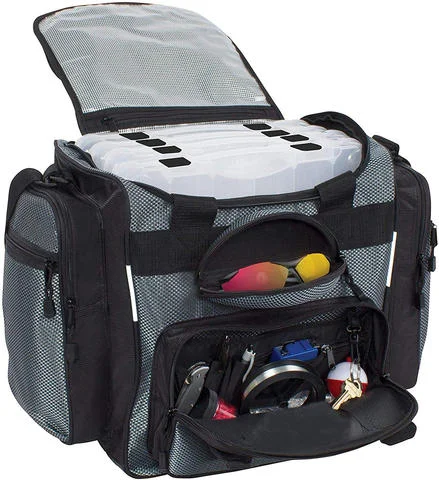
Dedicated padded compartments for test equipment. A multimeter or circuit breaker finder transported loose in a main compartment alongside channel-lock pliers will arrive with scratched screens and calibration issues from repeated impacts. Dedicated padded pockets — either soft-lined exterior pockets or internal zippered sections — keep test equipment isolated and protected. Many quality electrician bags include a specific sleeve sized for a standard digital multimeter.
Water-resistant or waterproof base and interior. Electricians routinely work in damp environments — basements, exterior conduit runs, wet industrial facilities. Water entering the bag and saturating tool pockets creates two problems: damage to insulated hand tool coatings and corrosion on metal hardware. Bags with a waterproof or water-resistant bottom panel and water-resistant main fabric protect against moisture wicking up from wet surfaces and accidental spills.
Multiple small pockets for consumables and hardware. Wire nuts, marrette connectors, cable ties, and grounding screws are small, high-quantity items that disappear to the bottom of a single large compartment. Multiple shallow pockets sized for these items keep them organized and accessible. Look for pockets with elastic retention or simple closures rather than deep slip pockets where small items sink and tangle.
External flashlight or voltage tester access. When working in dark spaces, you need a flashlight or voltage tester immediately, not after opening the main compartment and digging through layers of tools. A dedicated exterior loop or pocket for a pen-style voltage tester keeps it accessible the moment you step into a dark panel room or attic. Some bags include a pass-through slot for power drill bits that doubles as a flashlight holder.
Backpack-style carry for mobile electricians. Service electricians covering multiple job sites per day benefit significantly from backpack-style bags that distribute weight across both shoulders. The mobility advantage is substantial when climbing ladders, navigating unfinished construction sites, or walking between buildings on a large facility. Hybrid designs that function as both a hand-carried bag and a backpack offer flexibility across different job types within the same workday.
Material Considerations for Electrical Environments
Canvas remains the most versatile choice for general electrical work — it breathes well, reducing internal moisture buildup, and does not degrade from temperature exposure inside a vehicle on hot days. However, canvas does absorb moisture from wet surfaces if the bag sits directly on damp floors without a waterproof base panel.
Ballistic nylon offers superior water resistance and dries faster when wet, making it preferable for exterior work in unpredictable weather or for electricians working in industrial environments with moisture exposure. The trade-off is reduced breathability and somewhat faster UV degradation if the bag spends significant time in direct sunlight on vehicle roofs or exterior racks.
Regardless of outer material, the interior lining matters for electrical tools. Padded interiors with smooth linings prevent small tools from snagging on rough fabric seams and reduce the risk of damaging insulated coatings on hand tools through abrasion.
Essential Tool Organization Strategy
How you arrange tools inside the bag affects both safety and efficiency. The most effective approach separates tools by access frequency and function rather than by tool type alone.
The outermost and most accessible pockets should hold tools you grab multiple times per day: your primary voltage tester, wire strippers, needle-nose pliers, and a torpedo level. These tools should never require opening a zipper or flap — single-motion access maintains efficiency when you are making dozens of connections throughout a job.
The main compartment holds bulkier hand tools: screwdrivers, pliers, hammer, and fish tape. Use internal dividers or Velcro tool loops to prevent tools from shifting and colliding during transport. Impact between metal tools inside an unprotected main compartment gradually damages tool finishes and can dull tool edges over time.
The smallest items — wire nuts, grounding clips, cable ties, electrical tape — belong in interior zippered pockets or small external pouches with closures. These items are frequently needed at the exact moment you are working in a confined space, so keeping them in a dedicated, accessible location prevents the frustration of digging through the main compartment while holding a wire nut bag awkwardly in your teeth.
Safety-Specific Considerations
Insulated hand tools require specific care to maintain their protective properties. Inspect rubber coatings on screwdrivers, pliers, and cable cutters before every major job. Damaged or cracked insulation compromises the safety rating of the tool and should be replaced rather than used on live circuits. Keep these tools in dedicated pockets where they cannot be abraded by contact with sharp metal edges of other tools.
For hot works or panel work where arc flash risk exists, standard tool bags are insufficient for carrying specialized arc-rated tools. Discuss your specific safety requirements with your employer and refer to NFPA 70E standards for equipment appropriate to your work environment.
Maintenance Practices for Longevity
Empty the bag completely at the end of each week and shake out debris — metal shavings, insulation fragments, and dust accumulate in pocket corners and accelerate wear at stress points. Small metal particles left in pockets can rust and create stains on light-colored tools.
Check the condition of all closures — zippers, velcro, and buckles — monthly. A failed zipper on a pocket containing your voltage tester means that tester is now loose in the main compartment exposed to impact damage. Replace worn closures promptly rather than risking tool loss on a job site.
For canvas bags, reapply water repellent treatment twice per year, more frequently if you work regularly in wet conditions. This maintains the bag resistance to moisture without compromising the breathability that prevents internal moisture buildup from humidity alone.
Frequently Asked Questions
Should an electrician use a tool backpack or a hand-carried bag?
Service electricians who travel between multiple locations daily benefit most from backpacks for the ergonomic advantage of weight distribution. Residential electricians working primarily from a service van may prefer open-top hand-carried bags for faster grab-and-go access. Many professionals keep one of each and choose based on the specific job.
How do I protect my multimeter in a tool bag?
Use a bag with a dedicated padded pocket sized for your specific meter. If your bag lacks this, carry the meter in a dedicated padded pouch or hard case within the main compartment. Never transport a multimeter loose alongside heavy metal tools without protection.
What is the best bag material for an electrician working outdoors?
Ballistic nylon with a waterproof base panel offers the best combination of water resistance, durability, and quick drying for exterior electrical work. Ensure the bag includes water-resistant rather than water-permeable zippers on external pockets used for test equipment.
How often should I inspect my tool bag for damage?
Perform a quick visual inspection of handles, straps, and closures before each major job. Empty and thoroughly inspect the bag monthly, checking seam integrity, handle attachment points, and the condition of any reinforced panels. Replace the bag when structural compromises are detected.
Conclusion
Electrical work demands tool organization that protects sensitive test equipment, keeps small hardware accessible in confined spaces, and handles the moisture challenges of real-world installations. Prioritize padded test equipment compartments, water-resistant construction, and an organizational system that separates tools by access frequency. A properly configured electrician tool bag reduces retrieval time on every job while extending the service life of expensive test equipment and insulated hand tools.