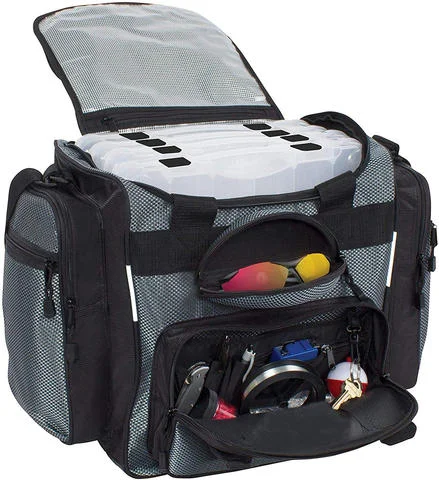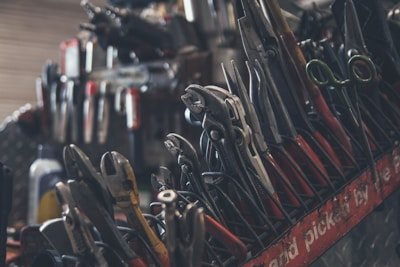
Tools and tool bags represent significant investments that most owners never fully protect through proper maintenance. A professional-grade tool bag used daily without any care beyond occasional emptying will last perhaps half as long as the same bag maintained with basic, consistent habits. Tool maintenance compounds similarly — a drill with neglected air filters and dulled bits works less efficiently, produces more wear on mechanical components, and fails earlier than the same drill maintained systematically. The time invested in proper maintenance is among the highest-return time investments any tradesperson or serious DIYer can make.
Why Regular Maintenance Matters More Than You Think
Tool and bag failures on job sites create cascading costs. A bag handle that separates mid-carry drops tools onto concrete, damaging or scattering months or years of carefully organized equipment. A drill that fails mid-task costs the time spent on repair or rental replacement and potentially ruins the project timeline. These failures rarely announce themselves with warning — they simply happen at the worst moment because the underlying degradation accumulated invisibly over months of neglect.
Preventive maintenance catches degradation early, while repair is still simple and inexpensive. The cost differential between maintaining a tool and rebuilding or replacing it is dramatic. A $15 drill chuck cleaning that prevents a $120 chuck replacement represents obvious value. A bag with fraying handle stitching that gets reinforced for $8 in materials versus a $90 emergency replacement after complete handle failure is similarly clear-cut.
Tool Bag Maintenance: Protecting Your Carrying Investment
Tool bags accumulate the most wear at four specific locations: handle attachment points, strap connection points, bottom corners, and zipper mechanisms. Regular inspection of these four areas prevents the majority of catastrophic bag failures.
Weekly maintenance routine. Empty the bag completely and shake out all debris — sawdust, metal fragments, insulation pieces, and general jobsite dirt accumulate in corners, pocket seams, and stress points. These particles create abrasion that accelerates fabric wear at exactly the locations that experience the most stress. A two-minute thorough shake-out once per week dramatically extends bag life.
After emptying, inspect the four critical zones: handle stitching, strap attachments, bottom panel integrity, and zipper functionality. Look for loose threads, fraying, separation at seams, and any signs of structural compromise. Catching these early means simple repairs; waiting until the bag fails typically means complete replacement.
Monthly maintenance routine. Clean the exterior with a brush and mild soap solution if the bag is canvas, or just a damp cloth for ballistic nylon. For canvas bags, check the water-repellent coating by sprinkling water on the surface — if it beads and rolls off, the coating is intact. If it soaks in, the bag needs re-treatment with a canvas waterproofing spray. This matters most for bags used in damp environments or stored in vehicles through wet seasons.
Apply small amounts of lubricant to zipper tracks if they begin to feel stiff or catch. A dry zipper left untreated will eventually fail — usually at the worst possible moment, such as during rain when you need weather protection from the bag.
Quarterly maintenance routine. Inspect all reinforced stress points in detail. Check that rivets or bar-tacked seams are still secure. Verify the reinforced bottom panel has not delaminated or softened from moisture intrusion. Examine exterior pockets for torn closures, damaged elastic retention, or separated seams. Make any necessary repairs immediately — small repairs take minutes; large repairs after complete failure take much longer and cost more.
Hand Tool Maintenance: Keeping Tools Functional and Accurate
Hand tools maintained properly outlast their owners in most cases. The small amount of time spent on regular care compounds into decades of reliable service from tools that would otherwise degrade to unusable condition within a few years of heavy use.
Screwdrivers. Inspect the tips quarterly for rounding, chips, or deformation. A damaged screwdriver tip slips out of screw heads, damaging the screw and potentially the work surface. Maintain tips by keeping a small file or sharpening stone available — restoring a slightly worn screwdriver tip takes under a minute and restores full grip. Keep handles clean and free of cracks; replace tools with cracked handles before the handle fails during use.
Pliers and cutters. Clean accumulated debris from pivot points and apply a drop of machine oil at the pivot joint every few months. This maintains smooth action and prevents the stiffness that eventually leads to joint failure. Inspect cutting edges on cutting pliers and diagonals — dulled cutting edges strain the tool and produce poor cuts. A sharpening stone or dedicated tool sharpener restores cutting performance quickly.
Measuring tools. Squares, levels, and measuring tapes lose their value the moment they give inaccurate readings. Protect them accordingly. Store measuring tapes coiled without kinks in the case. Keep squares protected from impacts that could bend the blade or damage the body. Verify level accuracy periodically by placing the level on a known flat surface and checking the bubble position, then flipping the level 180 degrees — if both readings agree, the level is accurate.
Striking tools. Hammers should have faces that are clean, not mushroomed from overstrike, and handles that are firmly attached without cracks. A loose hammer head is a safety hazard. File any mushroomed metal from hammer faces immediately; the resulting flakes are dangerous projectiles and the mushroomed shape reduces striking efficiency. Check handle attachment — a wooden handle that has swollen from moisture may need resurfing; a fiberglass or composite handle with cracks needs immediate replacement.
Power Tool Maintenance: Extending Motor and Mechanism Life
Power tools degrade faster than hand tools due to their mechanical complexity, but systematic maintenance addresses most common failure modes before they become critical.
Cordless drills. The battery is the most expensive and most failure-prone component. Store batteries at 40-60% charge in a climate-controlled environment — never store them fully depleted or in extreme temperatures. Heat is the primary battery killer; leaving a battery in a hot vehicle accelerates capacity loss measurably. Clean battery contacts periodically with a dry cloth; corroded contacts increase resistance and reduce both performance and charging efficiency.
Keep chuck jaws clean and lubricated — debris in the chuck causes uneven gripping and accelerated wear. Blow out ventilation slots regularly to prevent motor overheating; sawdust accumulation in ventilation grilles is a primary cause of premature motor failure.
Circular saws and grinders. Check blade or disc integrity before each use. A cracked blade is a catastrophic safety hazard. Keep blades clean of pitch and residue — sticky buildup on saw blades reduces cutting efficiency and strains the motor. Use a blade cleaning solution or simply run the blade through a piece of soft wood to clear debris.
Check guards for free movement and proper return springs. A guard that sticks creates both a safety violation and a cutting inefficiency. Adjust or repair guard mechanisms before using the tool.
Air tools. Drain compressor tanks daily to prevent moisture accumulation that causes internal corrosion. Lubricate pneumatic tools according to manufacturer specifications — insufficient oil causes rapid wear on seals and internal components. Use an in-line oiler when running tools without dedicated lubricators to ensure consistent oil delivery.
Storage Best Practices
Proper storage multiplies the value of maintenance efforts. Tools stored properly after cleaning and inspection stay in working condition longer than tools simply left where they were used.
Climate-controlled storage matters most for tools with wooden components — humidity changes cause wood to expand and contract, eventually cracking handles and separating laminations. For garage workshops without climate control, tools with wooden components benefit from periodic light oil treatment that stabilizes the wood moisture content.
Keep tools in their designated locations within the organized storage system. A tool that always returns to its designated spot is never lost, never left in a position where it can be damaged, and immediately available when needed. This single habit is the most effective maintenance behavior any tool owner can develop.
Frequently Asked Questions
How often should I maintain my tool bag?
Perform a quick empty-and-shake weekly, a full inspection and clean monthly, and a detailed structural check quarterly. This frequency catches problems early at every stress point without requiring significant time investment.
How do I know when a tool bag needs replacing versus repairing?
Replace the bag when handle or strap attachment points have fully separated and cannot be reliably reattached, when the reinforced bottom panel has delaminated completely, or when the main compartment structure has lost integrity to the point where the bag no longer stands upright under normal loading.
What is the most important power tool maintenance task?
Keeping ventilation slots clear of debris. Motor overheating from blocked airflow is the single most common cause of premature power tool failure. A two-minute blow-out of ventilation grilles before each extended use prevents most motor failures.
How do I store tools long-term if I will not use them for months?
Clean thoroughly, apply protective treatment appropriate to the material, store at moderate temperature and humidity, and for batteries store at 40-60% charge. Check stored tools every few months to verify condition and catch any developing problems early.
Conclusion
Regular tool and tool bag maintenance costs a fraction of replacement costs and prevents job site failures that derail project timelines. The weekly two-minute empty-and-shake habit for bags, combined with periodic inspection and lubrication of hand and power tools, maintains tool condition far more effectively than reactive repair after failure. Invest the minimal time consistently, and tools that would have failed in two years serve reliably for ten.