Every workshop, whether it is a two-car garage with a workbench or a dedicated commercial space, follows the same underlying reality: an organized workshop completes more work in less time with less frustration. Tool clutter is not just an aesthetic problem — it is a productivity tax that compounds every time you need a specific tool and cannot immediately locate it. Establishing a logical organization system takes one focused afternoon but pays dividends in time saved and reduced tool replacement costs for years afterward.
Why Tool Clutter Costs More Than You Realize
Studies of workshop efficiency consistently find that professionals spend an average of 15-20 minutes per day searching for tools in disorganized spaces. At 250 working days per year, that is 60-80 hours annually — the equivalent of two full work weeks — spent looking for tools rather than working with them. For homeowners, the equivalent figure is harder to measure but equally real: a shelf of jumbled screwdrivers adds minutes to every small repair, creating friction that discourages addressing minor maintenance issues before they escalate.
Beyond time lost searching, disorganization causes actual tool damage. Metal tools rattling together in a drawer dull cutting edges and scratch protective coatings. Moisture retained in improperly stored tools accelerates corrosion. Small parts scattered in catch-all containers separate from their matching hardware become useless. The cost of an organized system is measured in what it prevents rather than what it adds.
The Foundation: Empty and Categorize Before You Organize
Any organization attempt built on top of existing clutter fails. Before buying any storage solution, remove every tool from every surface and drawer. Sort everything into five categories: tools used daily, tools used weekly, tools used monthly, tools used seasonally, and tools that have not been touched in over a year. The last category is the most valuable — tools you forgot you owned represent capital sitting idle, and tools you kept because you felt you should but never use represent decisions worth revisiting.
Discard, donate, or sell the last category. Tools that have not been used in over a year are either redundant, wrong for your actual work, or not worth the storage space they consume. A smaller, well-organized tool collection is more useful than a larger one you cannot navigate.
Zone-Based Organization: The Most Effective Workshop Layout
The most efficient workshop organization separates tools by the type of work they support, then places frequently used tools closest to their primary work area. This zone-based approach keeps related items together and eliminates cross-zone trips during projects.
Power tool zone. Stores cordless drills, saws, sanders, and their batteries, bits, and chargers in a dedicated area near the workbench. These tools are used most frequently and benefit from a charging station setup that keeps batteries topped off without cluttering work surfaces.
Measuring and marking zone. Squares, levels, tape measures, marking gauges, and pencils belong together, ideally on a pegboard or wall-mounted holder near the cutting area. These tools are accessed frequently during layout and cutting phases but are not needed during assembly — keeping them in their own zone reduces clutter on primary work surfaces.
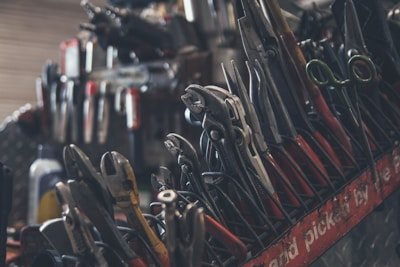
Hand tool zone. Screwdrivers, pliers, hammers, and similar tools belong in drawers or a wall-mounted holder near the workbench. A pegboard with tool outlines makes it immediately obvious when a tool is missing and creates a natural return-to-origin habit.
Fastener and hardware zone. Screws, nails, anchors, brackets, and miscellaneous hardware need small-parts storage with individual compartments — not loose in drawers where they mix and tangle. Labeled bins, drawer organizers with compartments, or wall-mounted hardware cabinets all work; the specific solution matters less than having a designated spot for each type of hardware.
Material and sheet storage zone. Lumber, plywood, and other sheet materials belong off the floor, supported on designated storage racks. Lying flat on concrete floors invites moisture absorption; leaning against walls risks falling. Purpose-built lumber racks keep materials organized, accessible, and protected.
Wall Storage: Getting Tools Off the Workbench
The workbench surface is your primary work area — it should not double as storage. Every tool that lives permanently on the workbench surface is space you cannot use for actual projects. Pegboard, French cleats, and wall-mounted rail systems get tools up and off the bench while keeping them instantly accessible.
Pegboard with tool-specific holders works well for hand tools: outline each tool shape on the pegboard and hang it in its designated spot. This system makes inventory obvious at a glance — you know immediately if a tool is missing without checking every drawer. French cleats offer greater flexibility for heavier items and larger tool storage, and the angled configuration makes tools easy to hang and remove without individual hooks.
Drawer and Cabinet Organization
For hand tools that belong in drawers, drawer liners serve two purposes: they prevent tools from sliding during transport or drawer opening, and they protect tool finishes from scratches against bare metal drawer walls. Non-slip liner material also reduces the noise and impact of setting tools down.
Drawer dividers convert single deep drawers into organized compartments. Adjustable divider systems accommodate changing storage needs over time. For small parts drawers, use individual compartments sized for specific fastener types — clear bins or labeled sections prevent the common problem of all hardware mixing together into a single useless mass.
Portable Tool Storage: Bags for Active Workflows
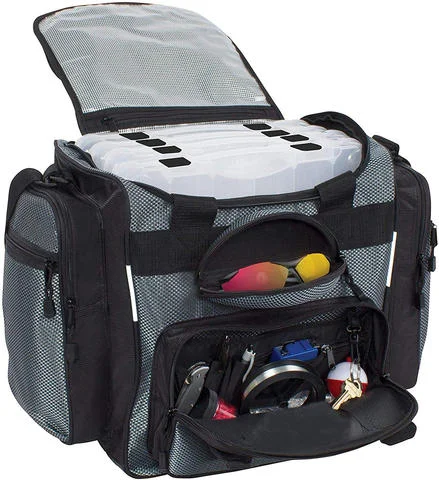
Not all tools belong in the workshop. A subset of frequently used items should live in a portable tool bag that can be moved between the workshop and job site or carried to different areas of the property. This bag should be stocked with tools used for the most common tasks — quick repairs, adjustments, and maintenance — rather than your complete collection.
The organizational principle for a portable bag differs from workshop storage: arrange tools by access frequency rather than category. The most-used tools go in the most accessible exterior pockets; less-used tools fill the main compartment. Replenish the bag after each use by checking that items removed have been returned and consumables replaced.
Maintaining Organization Long-Term
Organization systems fail without maintenance habits. The most effective single habit is a five-minute end-of-session cleanup: before finishing work for the day, spend five minutes returning every tool to its designated location. This prevents the gradual accumulation of tools left out after use, which is how organized spaces descend into chaos over weeks and months.
Conduct a quarterly review of your organization system: identify which zones or storage areas have become dumping grounds for misfiled items, correct the categorization errors, and adjust the system to accommodate tools that have migrated to the wrong zone. Systems that evolve to match actual usage patterns stay functional; rigid systems that ignore real habits eventually get abandoned.
Tool Maintenance as Part of Organization
Organization includes tool care. A clean, properly maintained tool lasts longer and performs better than one stored in a disorganized pile. Before returning a tool to storage, remove visible debris — sawdust, metal shavings, adhesive residue — and check for signs of damage or wear. This two-minute habit per tool prevents the slow degradation that renders expensive tools useless before their time.
Establish a seasonal maintenance schedule: an hour every spring and fall dedicated to full tool inspection, cleaning, lubrication of moving parts, and sharpening of cutting edges. This systematic approach catches problems early and keeps the entire collection in working condition.
Frequently Asked Questions
What is the fastest way to organize a cluttered workshop?
Empty everything, sort into five categories by usage frequency, discard what has not been used in over a year, then implement a zone-based system where tools are assigned to specific areas based on how they are used together. A single focused weekend can transform even severely cluttered spaces.
How do I store small hardware without losing it?
Use labeled, compartmentalized storage: small bins with clear labels, drawer organizers with individual compartments, or wall-mounted hardware cabinets. The key is each type of fastener or hardware has exactly one designated location, and items are always returned there after use.
What is the best wall storage for hand tools?
Pegboard with tool-specific holders and outlined tool shapes offers the best combination of accessibility, visibility, and return-to-origin discipline. French cleats work better for heavier power tools and larger hand tools where pegboard strength is insufficient.
How often should I reorganize my workshop?
Perform a quick weekly cleanup and a thorough quarterly review. The weekly habit maintains the existing system; the quarterly review identifies weak points and adjusts the system based on actual usage patterns. Complete reorganization is rarely necessary if these maintenance habits are followed.
Conclusion
A well-organized workshop is not about having the most sophisticated storage systems — it is about having a logical system that matches how you actually work and maintaining it consistently. Empty and categorize first, establish zones based on workflow, get tools off the workbench onto wall storage, and maintain the system with end-of-session cleanup habits. The time invested in setup pays back immediately through reduced search time and tool damage, compounding value every single day the organized system is in use.