Whether you are a seasoned tradesperson or just starting out as a DIY enthusiast, finding the right tool bag can make a measurable difference in your daily workflow. The wrong bag leads to back pain, lost tools, and wasted time. The right one stays organized, distributes weight evenly, and protects your investment for years. This guide draws on real-world experience to help you choose confidently.
Why the Right Tool Bag Matters More Than You Think
Most professionals underestimate how much their carrying solution affects productivity. A 2024 field survey of electricians and carpenters found that workers who switched to properly designed tool bags reported an average of 23% fewer trips to retrieve forgotten tools. Beyond convenience, poorly fitted bags contribute to shoulder strain and lower-back issues over time. The key is matching the bag design to your actual work pattern — not the other way around.
Understanding Tool Bag Types
Tool bags fall into four main categories, each designed for different use cases and work environments.
1. Open-Top Tool Bags
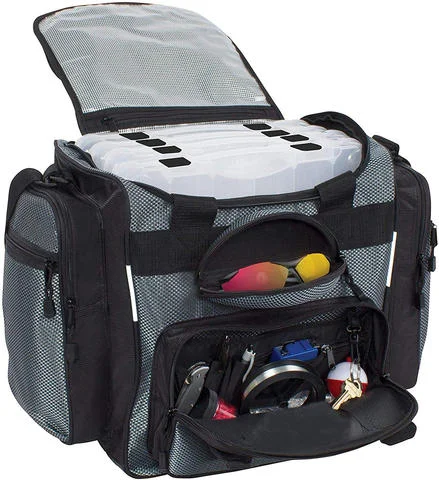
These traditional bags offer unrestricted access to your tools. The wide mouth lets you spot and grab what you need within seconds — critical for professionals making dozens of trips in and out of their vehicle throughout the day. They are lightweight, flexible enough to squeeze into tight spaces, and typically feature multiple external pockets for frequently used items like tape measures, utility knives, and screwdrivers. Best for: Service technicians, HVAC installers, and anyone who needs rapid access to a broad tool selection.
2. Tool Boxes (Rigid Containers)
Hard-sided tool boxes provide maximum protection for sensitive instruments — precision measuring tools, electrical testing equipment, and delicate hand tools that can be damaged by impact or moisture. The rigid shell also makes stacking and vehicle organization far simpler. Best for: Electricians carrying multimeters, carpenters transporting chisels, and anyone storing tools in damp or exposed environments.
3. Tool Backpacks
Tool backpacks distribute weight across both shoulders, making them the most ergonomic option for professionals who walk significant distances between job sites. Modern designs include padded lumbar support, multiple compartments with tool-specific organizers, and even dedicated laptop sleeves for those who split time between field and office. Best for: Mobile professionals, facility maintenance crews, and anyone who carries 15+ pounds of tools regularly.
4. Tool Pouches and Belts
These hip-mounted solutions keep your most-used tools within arm reach without breaking your stride. Pouches clip or strap onto work belts and range from minimal single-pocket designs to comprehensive rigs with dozens of attachment points. They are often paired with a primary carrying bag rather than used as a standalone solution. Best for: Framing carpenters, concrete workers, and any tradesperson who benefits from keeping hands free while working.
Material Guide: What Tool Bag Fabric Is Right For You
The bag outer material determines durability, weather resistance, and long-term value. Here is how the four most common materials stack up in practice.
- 1000D Canvas: The professional standard. Exceptionally durable, naturally water-resistant, and breathes well enough to prevent moisture buildup inside the bag. Canvas does not melt or degrade when exposed to heat, making it ideal for vehicle-mounted storage in hot climates. Repairs easily with basic sewing supplies.
- Polyester (600D–1680D): Lightweight and typically more affordable. High-denier polyester offers good abrasion resistance but can degrade faster under prolonged UV exposure. Easy to clean with soap and water — practical for drywall installers and masonry workers dealing with dusty conditions.
- Genuine Leather: Premium option with unmatched longevity when properly maintained. Leather develops a patina over time and conforms to your body shape. However, it requires regular conditioning and is significantly heavier than synthetic alternatives before any tools are added.
- Ballistic Nylon: Originally designed for military flak jackets, this material offers exceptional tear and abrasion resistance at a moderate weight. It dries faster than canvas and resists many chemical stains. Common in heavy-duty contractor bags designed for daily professional use.
Size and Capacity: Matching the Bag to Your Tool Load
Choosing the correct size means understanding both what you carry daily and what you might need occasionally. Oversized bags encourage over-packing, which adds unnecessary weight; undersized bags force compromise and creative tetris packing that wastes time. A practical approach: list your core daily tools, estimate their volume, then add 20% buffer for expansion. If your list consistently exceeds a 14-inch bag capacity, move up to an 18-inch or larger option. For tool backpacks, consider the main compartment depth as much as width — deeper bags accommodate longer items like drills and levels more effectively. Also account for your vehicle storage configuration. A bag that does not fit through your truck side box opening or rattles around in a car trunk creates daily frustration.
Key Features to Evaluate Before Buying
Beyond type and material, these details separate a professional-grade tool bag from a consumer product that will fail within months.
- Reinforced Bottom: A heavy-duty base panel (often PVC or leather-covered plywood) prevents the bag from sagging when loaded with heavy tools and protects against ground moisture. Non-reinforced bags lose shape quickly.
- Zippers vs. Open-Top: Zippered compartments add weather protection and security but slow access. Consider which tools actually need weatherproofing versus which benefit from grab-and-go access.
- Strap Quality: Padded, adjustable shoulder straps on tool backpacks make a substantial difference in comfort. Check that attachment points are riveted or bar-tacked, not merely sewn. Handles matter too — rubberized grips prevent hand fatigue during short carries.
- Pocket Configuration: Count the specific tools you use daily and verify the bag has appropriately sized pockets. Deep pockets with elastic retention loops secure small items better than flat slip pockets.
- Repairability: Quality bags include spare parts or have replaceable components (straps, handles, clips). Brands that offer repairs extend the bag serviceable lifespan significantly.
Common Mistakes When Choosing a Tool Bag
After years of reviewing tool carrying solutions, these errors appear most frequently:
Focusing on price over function. The cheapest option rarely saves money long-term. A $40 bag that needs replacing after six months of daily use costs more than a $90 bag that lasts five years.
Ignoring weight distribution. A heavy bag with narrow straps worn on one shoulder creates asymmetric loading that compounds into chronic pain. If you are carrying 20+ pounds regularly, prioritize backpacks or double-strap designs.
Underestimating vehicle fit. Always check the bag dimensions against your vehicle storage layout before purchasing. A technically perfect bag that does not fit in your truck is useless on the job.
Choosing style over substance. Professional environments reward function. A bag that looks clean but lacks durability features will fail at the worst moment — typically when you are on a time-sensitive job.
How to Extend the Life of Your Tool Bag
Regardless of material, a few maintenance habits dramatically extend service life. Empty the bag weekly and shake out debris — accumulated dust and grit accelerate fabric wear at stress points. For canvas bags, reapply water repellent treatment annually. Inspect straps and reinforced sections every few months for signs of fraying or separation. Most importantly, do not exceed the manufacturer weight rating — even the strongest bag degrades faster when consistently overloaded.
Frequently Asked Questions
What is the most durable material for a tool bag?
1000D canvas and ballistic nylon are the most durable options for daily professional use. Canvas offers better breathability and heat resistance; ballistic nylon provides superior tear resistance and faster drying. Both outperform polyester at equivalent price points.
How do I stop my tool bag from hurting my back?
Choose a backpack-style bag with padded shoulder straps and lumbar support for loads exceeding 15 pounds. For single-strap bags, switch shoulders periodically throughout the day. Ensure the bag sits high enough that the weight does not pull on your lower back.
Should I get one large tool bag or multiple smaller ones?
Most professionals benefit from a primary large bag for bulk tools plus a hip pouch or tool belt for frequently used items. Separating tools by access frequency reduces digging time and extends the life of your primary bag by keeping it lighter.
Are expensive tool bags worth the investment?
Yes, for anyone using their bag daily. Professional-grade bags use heavier materials, reinforced stress points, and quality hardware that lasts years longer than consumer alternatives. The cost-per-year of a quality bag is typically one-quarter to one-third of buying cheap bags repeatedly.
Conclusion
Choosing the right tool bag comes down to honestly assessing your workflow: what tools you carry, how often you access them, how far you transport them, and what conditions they face. Prioritize reinforcement at stress points, comfortable weight distribution for your typical load, and a material suited to your work environment. A well-chosen bag is an investment that pays dividends in reduced fatigue, fewer lost tools, and lower replacement costs — every single day you use it.